

Our Tuguegarao City
City Information
City Profile
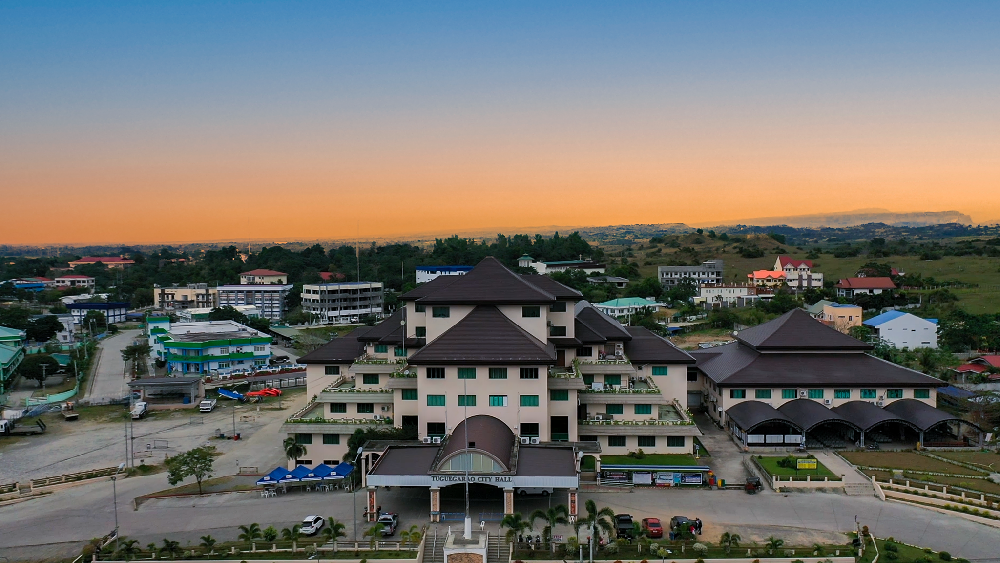
Tuguegarao City is the Capital of the Province of Cagayan and the Regional Center of Cagayan Valley. It has earned the distinction of being the Center of Excellence for Higher Education, Science, and Medicine in Region 02.
Acclaimed as the Regional Primary Growth Center of the region with an economy driven by a strong and vibrant tertiary sector, Tuguegarao serves as a springboard for economic affairs and enterprise activities within the entire region and even border municipalities of Ilocos Region and the Cordillera Administrative Region. The wide spectrum of social and economic infrastructure supports the role of Tuguegarao City as the Regional Trading Center, the Regional Support Service Center for Agricultural Development, Tourism and Industrial Development, and the Backbone to the Regional Industrial Center in Cauayan City, Isabela and the Cagayan Special Economic Zone in Sta Ana, Cagayan.
Leveraging on its location and the fast-growing base for intellectual and knowledge economy, the city is commended as the only Digital City in Region 02.
Tuguegarao, then a mission-pueblo, became the provincial capital of Cagayan on May 24, 1839, and was converted into a city on December 18, 1999, by virtue of RA 8755 or “An Act Converting the Municipality of Tuguegarao, Cagayan Province into a Component City to be known as Tuguegarao City.”
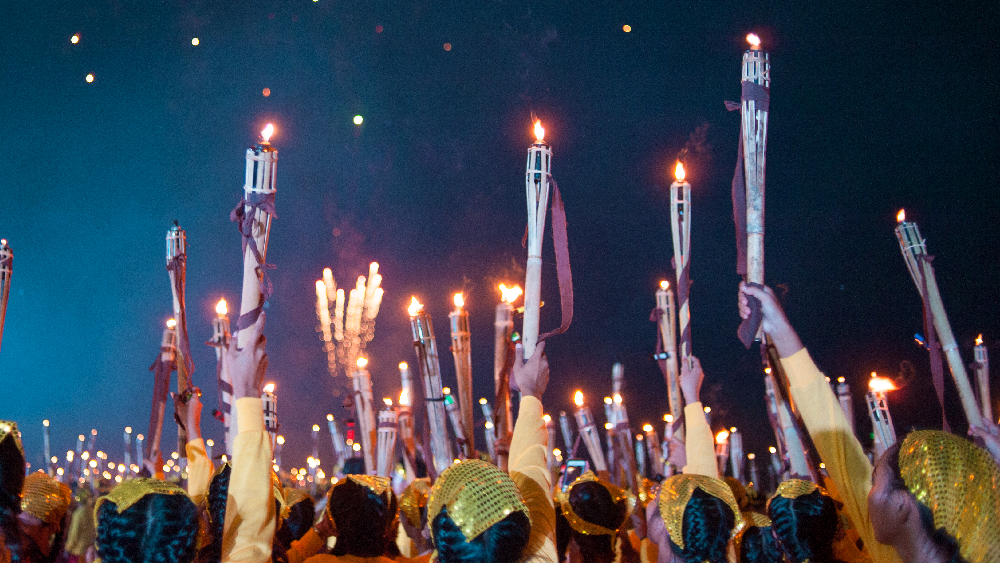
Tuguegarao derived its name from the Ibanag sentence “Tuggui gare yaw” meaning, "This used to be fire" as it is believed that the place was once carved out of the wilderness of fire. Annually, the city holds Tuguegarao Patronal Fiesta Celebration held on August 16 through the Afi Festival or the Dance of a Thousand Torches. Afi is another Ibanag word for "fire."
Nestled in the verdant Cagayan Valley, Tuguegarao is protected by the Sierra Madre Mountain Ranges in the east, by the Cordilleras in the west, and by the far-off Caraballo Mountain in the south. It grew along the banks of the mighty Cagayan River and the swift Pinacanauan de Tuguegarao. It is approximately 483 kilometers north of Manila, about a 10-12 hour land travel through the Maharlika Highway, the region’s transportation trunkline. It is accessible by 55-minute air travel.